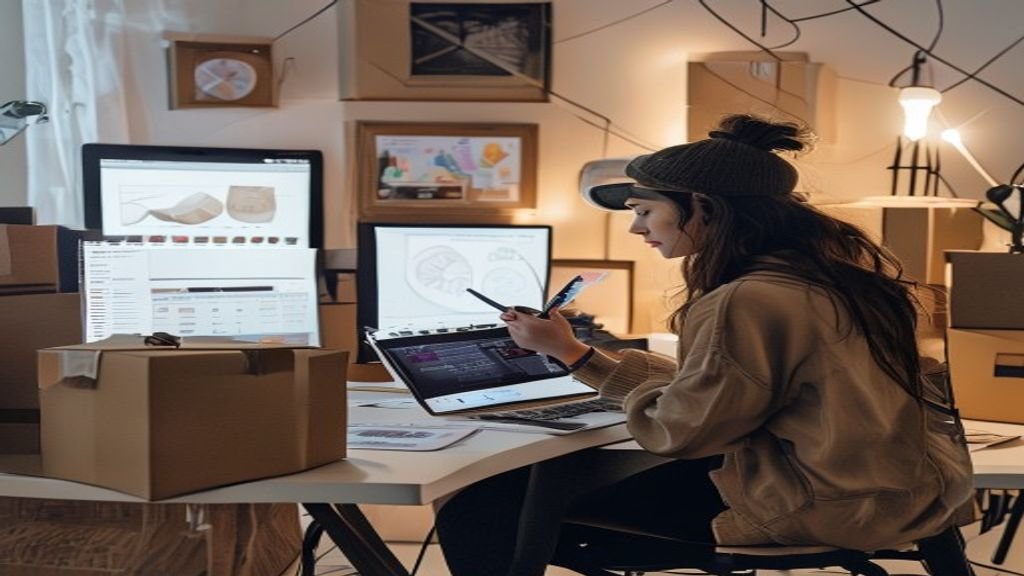
Why some micro influencers are betting on brand ownership instead of sponsorships
For years, the standard creator playbook was simple: build an audience, attract sponsors, post branded content, repeat. But for some micro influencers, that model is starting to look less like a long-term career path and more like a treadmill.
Instead of chasing the next campaign, a growing number of smaller creators are exploring brand ownership. The idea is straightforward: if an audience already trusts your taste, why only rent that attention to advertisers when you can build a product business around it?
That doesn’t mean sponsorships are disappearing. Brand deals still matter, and for many creators they remain a core source of income. But they can also be unpredictable. Campaign budgets shift. Platform performance changes. A strong month can be followed by a quiet one.
For micro influencers in particular, that volatility can hit harder. They may have loyal followings and strong engagement, but they do not always have the scale that secures steady deal flow. That has made ownership look increasingly attractive, not just as a side hustle but as a way to build something with more staying power.
Why it matters
The creator economy is maturing beyond paid posts. As creators look for more durable businesses, ownership is becoming a serious strategy, not just an aspirational endgame. That could reshape how brands think about partnerships, talent pipelines, and competition for consumer attention.
The appeal is easy to understand. An owned brand can create a more direct line between influence and revenue. Instead of getting paid once for a sponsored mention, creators can keep building value through repeat sales, customer loyalty, and a product identity that lives beyond any single platform post.
There is also a control advantage. Sponsored content usually means working inside a brief, timeline, and approval process set by someone else. Owning a brand gives creators more say over messaging, pricing, product direction, and the kind of community they want to build around it.
That control matters at a time when social platforms can feel unstable. Algorithm changes, shifting content formats, and broader pressure on marketing spend have all made creator revenue less predictable. Brand ownership does not remove that risk, but it can spread it across more than one income stream.
For marketers, this shift is worth watching. A micro influencer who launches a brand is no longer just media inventory for hire. They may also become a founder with their own commercial priorities, a future partner, or in some cases a competitor for consumer wallet share.
It also says something about where influence itself is headed. The old model treated creators mainly as distribution. The newer model treats them as operators, product builders, and brand architects. That is a bigger leap than simply adding merch or a limited-edition collaboration.
Key points
- Micro influencers are increasingly exploring owned brands as an alternative to relying heavily on sponsored content.
- Brand ownership can offer more control over product, pricing, and long-term business value than campaign-based work.
- Sponsorship income can be inconsistent, especially for smaller creators navigating shifting platform demand.
- Owning a brand also brings added complexity, from operations and inventory to customer service and fulfillment.
Of course, ownership is not a shortcut. Launching a brand introduces a different set of pressures. Product development, logistics, margins, customer support, and retention all demand skills that have little to do with posting videos or building engagement. The upside may be larger, but so is the workload.
That is why the trend is less about creators abandoning sponsorships altogether and more about rebalancing the business. For some, brand deals can fund the early stages of a product venture. For others, owned products can reduce dependence on the feast-or-famine cycle of paid campaigns.
The broader takeaway is clear: micro influencers are increasingly thinking like founders. In an industry that has often rewarded short-term visibility, more creators are looking for models that offer resilience, control, and a chance to own more of the value they help create.
That shift will not fit every creator. But it is becoming a more serious option—and one that could define the next phase of the creator economy.
Sources
- Digiday — Some micro influencers find promising security in brand ownership over sponsorships