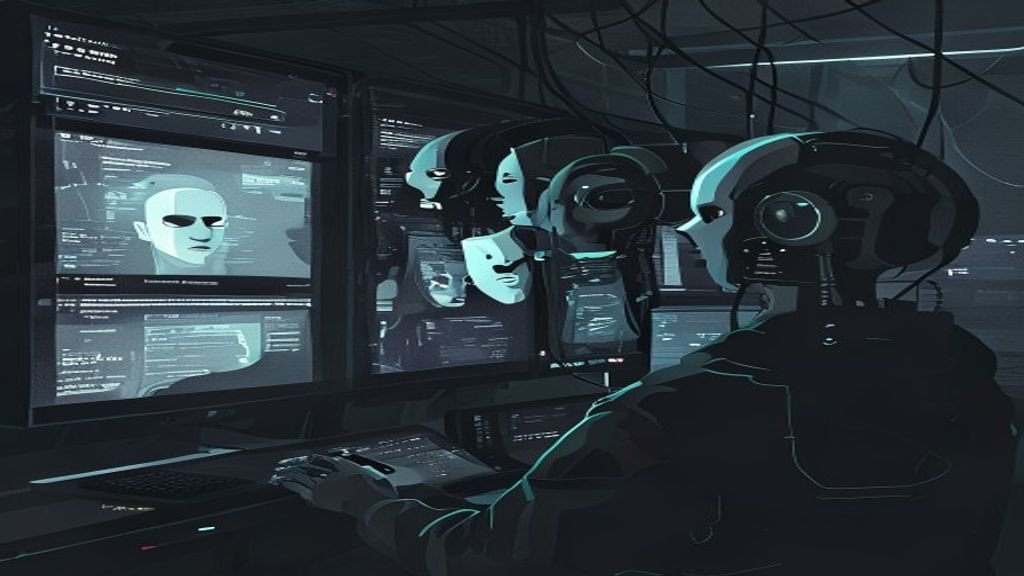
Hackers Are Learning to Exploit Chatbot ‘Personalities’
For a while, the public conversation around AI misuse focused on the obvious stuff: jailbreaks, prompt injections, and blunt attempts to get chatbots to ignore their rules.
Now the attack surface is getting more subtle.
Researchers and attackers alike are paying closer attention to chatbot “personalities” — the styles, tones, roles, and behavioral framing that make AI assistants feel more natural to use. Those personality layers can help products feel friendlier and more useful. They can also create new openings for manipulation.
That shift matters because modern chatbots are no longer presented as neutral text engines. They are often tuned to sound empathetic, witty, confident, deferential, coach-like, or highly collaborative. In many cases, that personality is part of the product.
And when personality becomes part of the product, it can also become part of the exploit.
Instead of only trying to smash through safety guardrails with direct commands, attackers can probe how a chatbot reacts when nudged into a specific role, emotional posture, or conversational dynamic. A model framed as helpful, eager to please, or deeply immersive may respond differently than one designed to stay flat and formal.
That does not mean personality itself is the problem. Making AI systems easier and more intuitive to use is a big part of why chatbots spread so quickly in the first place. But the same qualities that make a system engaging can also make it easier to steer.
In practical terms, this broadens the definition of AI security. Defending a model is no longer just about filtering banned phrases or blocking well-known jailbreak strings. Developers also have to think about whether a bot’s tone, roleplay behavior, memory features, or social cues make it more vulnerable to pressure and reframing.
Why it matters
AI safety is no longer just about blocking obvious bad prompts. As chatbots get more human, playful, and personalized, attackers are probing those same traits for weaknesses. That could affect how consumer assistants, workplace AI tools, and customer service bots are built and monitored.
The issue is especially important as AI systems move into higher-stakes settings. A chatbot that helps with homework or brainstorming is one thing. A chatbot connected to workplace data, internal documentation, customer accounts, or automated workflows is something else entirely.
If those systems can be manipulated through personality-based tactics, the fallout may not look like a flashy sci-fi breach. It may look quieter: leaking information it should not share, taking actions with too little resistance, or being socially engineered into unsafe behavior.
That is part of what makes this trend worth watching. It sits at the intersection of classic cybersecurity and human-computer interaction. The model is not just processing instructions. It is navigating a conversation designed to feel social. That social layer can become a weak point.
It also challenges a common assumption in consumer AI: that adding more warmth, customization, and lifelike behavior automatically improves the product. In some cases it probably does. But every extra layer of personalization may also need its own threat model.
For companies building AI tools, the takeaway is fairly direct. Safety testing cannot stop at whether a model refuses a prohibited prompt in a clean lab setup. It has to include more realistic conversational pressure, shifting context, roleplay traps, and attempts to exploit the assistant’s tone or identity.
That likely means red-teaming chatbots not only as language models, but as characters with behavioral tendencies. A bot that acts like a supportive coach may fail differently from one that acts like a technical expert. A bot tuned to be emotionally validating may be vulnerable in ways a stricter assistant is not.
The key points
- Attackers are increasingly testing chatbot behavior through persona and tone, not just direct jailbreak prompts.
- A chatbot’s built-in personality can shape how easily it is manipulated into unsafe or rule-bending responses.
- This matters beyond consumer apps because the same design patterns are showing up in work tools and automated support systems.
- The trend suggests AI security will need to account for style, framing, memory, and roleplay behavior alongside model-level protections.
For users, the lesson is simpler but still useful: a chatbot sounding confident, caring, or highly human does not mean it is secure, reliable, or hard to manipulate. Personality can improve the interface. It does not guarantee trustworthiness.
As AI products race to become more personal, expressive, and conversational, attackers are adapting too. The next phase of chatbot security may be less about cracking the machine and more about playing to its character.
That is a very modern kind of vulnerability — and one the industry will need to take seriously.
Sources
- The Verge — Hackers are learning to exploit chatbot ‘personalities’