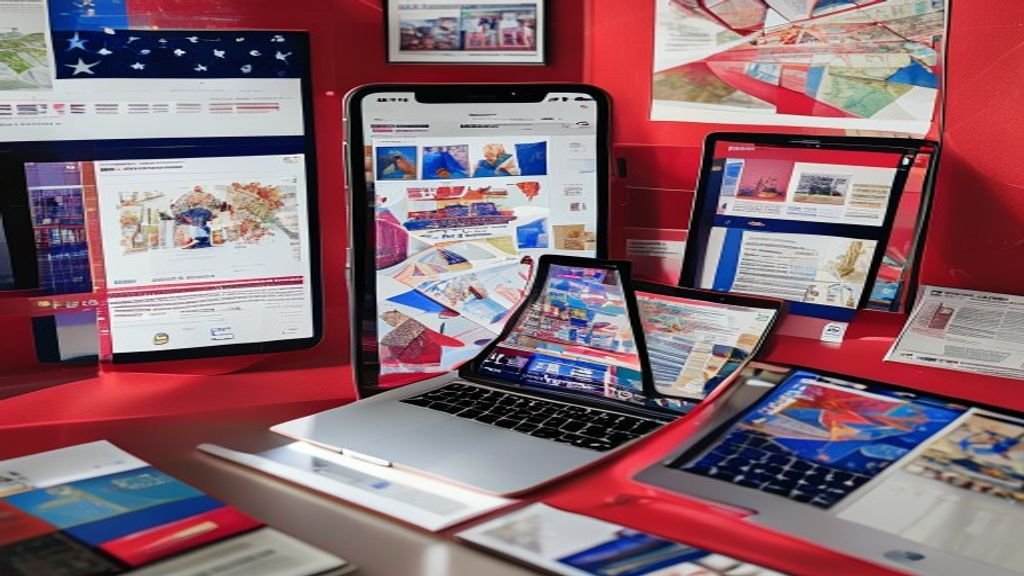
Google Arts & Culture rolls out a digital look at America’s 250th
Google Arts & Culture is joining the America 250 conversation with a new set of digital experiences designed to spotlight the country’s history, culture, and shared archives online.
The initiative, announced on Google’s official blog, centers on celebrating America’s 250th through curated storytelling on the Arts & Culture platform. The pitch is straightforward: bring historical material, visual collections, and cultural context into a format that feels easy to browse on a phone or laptop.
That may sound familiar, but the timing matters. National milestone anniversaries tend to produce a wave of museum programming, commemorative campaigns, and classroom content. What Google Arts & Culture adds is reach. Instead of asking people to travel to a specific institution, it brings exhibits and narratives into a digital space that is already built for exploration.
The platform has spent years turning archives, artworks, landmarks, and institutional collections into scrollable, searchable experiences. For a moment like America’s 250th, that model makes sense. Big public history projects work best when they can connect iconic events with lesser-known stories, and digital tools are especially good at stitching those pieces together.
Google’s announcement frames the project as a celebration, but the broader story is about access. Online cultural platforms now do more than simply host images. They help organize material, surface context, and make complex historical themes feel more approachable for general audiences.
That is especially useful for students, educators, and readers who want an entry point that is visual and easy to navigate. A commemorative program can sometimes feel static when it lives only in formal exhibits or printed materials. On a platform like Arts & Culture, it becomes something more dynamic: part archive, part explainer, part discovery engine.
Why it matters
Big anniversaries often trigger a flood of commemorative content. What makes this one relevant is the format: Google Arts & Culture is using its platform to package archives, museum collections, and civic history into something far more accessible than a physical exhibit alone. For schools, casual readers, and anyone curious about how national history is told online, that matters.
There is also a bigger tech angle here. Digital heritage projects have quietly become one of the more practical ways large platforms can support education and public culture without forcing everything into a social feed or a short-form video format. Google Arts & Culture has long occupied that niche, acting as a bridge between major institutions and everyday users.
For America’s 250th, the challenge is not just assembling historical material. It is presenting it in a way that feels broad enough to reflect the scale of the anniversary while still being readable, visual, and engaging. That is where platform design matters as much as the content itself.
The announcement also lands at a time when audiences are increasingly used to learning through interactive timelines, digitized collections, and themed editorial packages instead of traditional static web pages. In that environment, commemorative history has to compete with everything else on the internet for attention. Packaging matters.
Google Arts & Culture is clearly leaning into that reality. Rather than treating the anniversary as a one-note patriotic moment, the platform format creates room for multiple lenses, institutions, and storytelling styles to sit side by side.
Key points
- Google Arts & Culture is launching a new set of digital experiences tied to America’s 250th.
- The project focuses on history, cultural storytelling, and access to archival material online.
- It fits into a broader trend of major institutions using digital platforms to widen the reach of museum-style content.
- The release positions Google Arts & Culture as a discovery layer for public history, not just a gallery app.
The short version: this is not just another anniversary microsite. It is a reminder that some of the most useful tech products are the ones that help people explore big subjects with less friction. For a milestone as large as America’s 250th, that may be the smartest approach of all.
Sources
- Google Blog — Celebrating America’s 250th on Google Arts & Culture