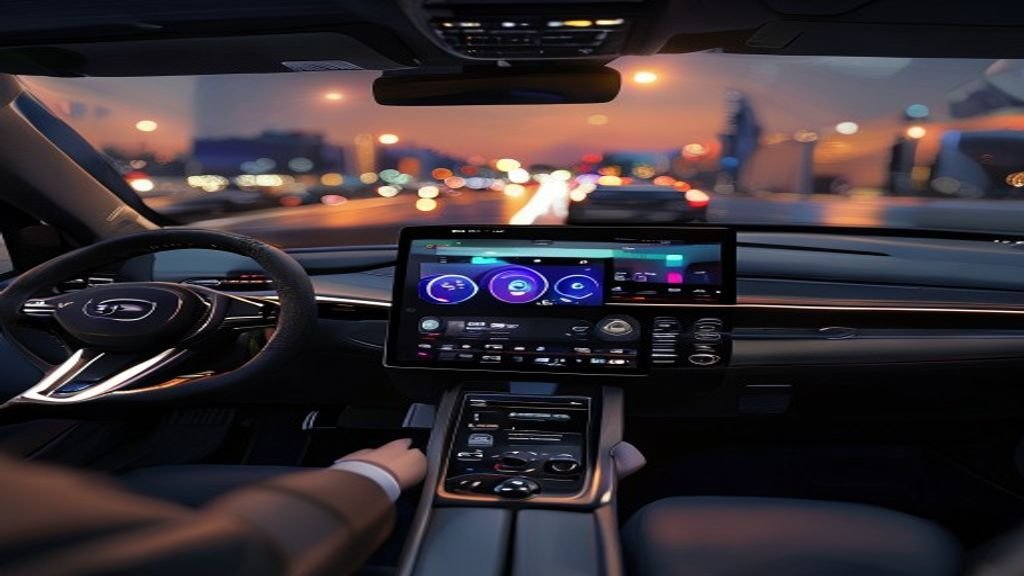
Google is bringing Gemini to cars with Google built-in
Your next in-car assistant may sound a lot less like a command line.
Google says Gemini is on the way to cars with Google built-in, extending its AI assistant push into the dashboard. The update is designed to make voice interactions inside the car feel more natural, with less need to memorize exact phrases or tap through menus on the screen.
That matters because in-car voice tech has long promised convenience but often delivered friction. Drivers have been trained to speak in clipped commands, repeat themselves, and hope the system gets the point. Google’s pitch with Gemini is a more conversational experience that can better understand intent, context, and follow-up questions.
In practical terms, that could mean asking for directions in a more human way, dictating and sending messages with less hassle, or handling routine tasks on the move without digging through apps. Instead of thinking about the exact feature you need to trigger, the idea is that you can simply ask for what you want.
Google built-in is the company’s embedded automotive software experience, separate from projecting your phone onto the car display. It already powers features such as Google Maps, Google Assistant, and app access in supported vehicles. Bringing Gemini into that setup signals that Google sees the car as another major screen for its AI platform, not just an accessory to the phone.
Why it matters
Voice assistants in cars have often felt rigid and frustrating. Google’s Gemini push suggests in-car AI is moving toward more natural conversation, which could make hands-free controls safer, faster, and genuinely more useful during everyday driving.
The timing fits Google’s wider strategy. Gemini has been steadily spreading across Android devices, Google apps, and core services. Putting it into vehicles is the next logical step, especially in a category where hands-free interaction is not just convenient but important.
For automakers, this could also help make built-in software feel more competitive at a time when drivers increasingly expect their cars to behave like connected devices. A smarter assistant can make the infotainment system feel less like a static feature set and more like a living service that improves over time.
There are still obvious questions that matter in the real world. Availability will depend on vehicle support, software rollout timing, and how automakers implement the experience. It also remains to be seen how well Gemini performs in noisy driving environments, how reliably it handles multi-step requests, and how much of the experience works without adding distraction.
That last point is the big one. A better AI assistant in the car only wins if it reduces friction instead of adding another layer of complexity. If Gemini can help drivers get things done with fewer taps and fewer repeated commands, it could be one of the more meaningful AI upgrades to reach the dashboard.
Key points
- Google says Gemini is coming to vehicles that run Google built-in.
- The upgrade is aimed at more natural voice conversations inside the car.
- Expected use cases include navigation, messaging, and handling everyday requests while driving.
- The move extends Google’s broader push to put Gemini across more devices and surfaces.
The short version: Google wants the car to be another place where talking to software feels normal. If the execution holds up on the road, that could make built-in automotive tech a lot more useful than it has been so far.
Sources
- Google Blog — Your car with Google built-in is about to get smarter, thanks to Gemini