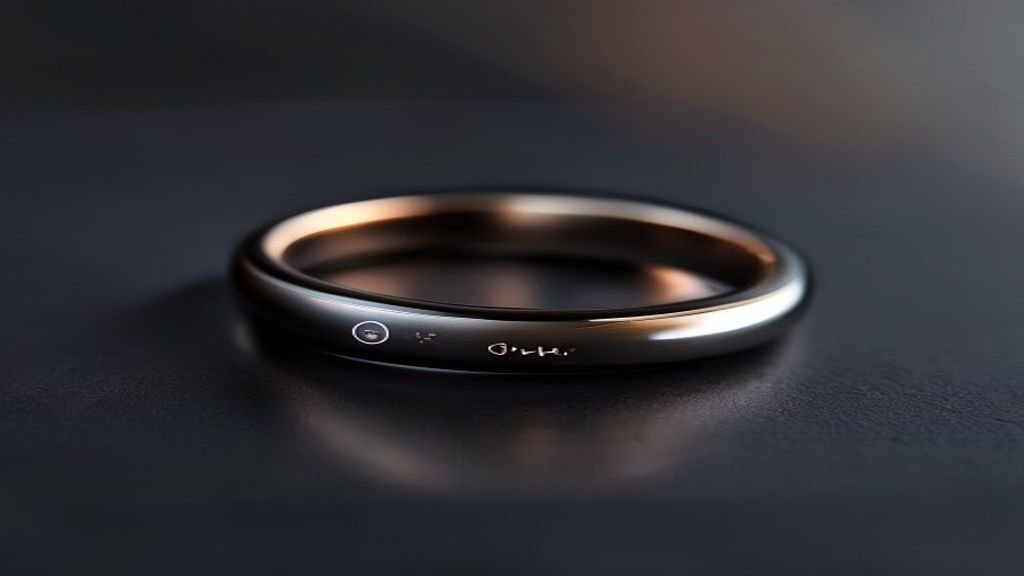
Oura’s new smart ring goes smaller, lighter, and easier to wear all day
Oura has finally made the change a lot of smart ring users have been waiting for: its latest ring is smaller and lighter.
That might sound like a modest update on paper, but for a wearable that is supposed to stay on your finger nearly 24/7, comfort is the product. A smart ring does not get many second chances if it feels bulky in bed, awkward at the gym, or annoying during a normal workday.
With its newest model, Oura appears to be leaning directly into that reality. Instead of treating thinner hardware like a nice bonus, the company is making the design shift part of the main story.
That makes sense. The smart ring market has become more crowded, and the category is moving past the early-adopter phase. People now expect these devices to do more than just look futuristic. They need to disappear into everyday life.
A smaller and lighter ring could have an outsized impact on that goal. Sleep tracking works best when a user forgets the device is even there. Recovery and readiness features depend on consistent wear. And unlike a smartwatch, a ring has very little room to hide bad ergonomics.
Why it matters
Smart rings only work if people keep wearing them. A more compact build could be one of the most meaningful upgrades Oura can make, because better comfort often leads to better long-term tracking and more useful health insights.
Oura has spent years building a strong position in the smart ring space, helped by its focus on sleep, recovery, and wellness data. But that lead comes with pressure. Once a product category matures, hardware refinements become more important, not less.
That is especially true for rings. There is no giant display to refresh and no camera system to headline. The wins are subtler. Better materials. Less weight. A shape that feels natural from morning to night.
In other words, this is exactly the kind of update that can matter more in real life than it does in a spec sheet.
The shift also reflects where wearables are heading more broadly. For years, consumer tech often equated progress with adding more. More sensors, more notifications, more visible features. Now, some of the smartest moves are about reducing friction. Making devices less intrusive. Making them easier to live with.
That is a particularly strong fit for Oura’s pitch. The company’s value has never been about turning a ring into a tiny smartphone. It has been about passive tracking, gentle health insights, and a product that sits quietly in the background.
A smaller body reinforces that identity. It suggests Oura is still focused on making a wearable that feels personal and unobtrusive rather than flashy.
What to know
- Oura’s latest ring centers on a smaller, lighter design.
- The update targets one of the biggest challenges for smart rings: all-day comfort.
- A slimmer profile could help with sleep tracking, workouts, and long-term wear.
- The move keeps pressure on rivals in the growing smart ring category.
There is also a practical business angle here. When a product is easier to wear, it becomes easier to recommend. Comfort affects retention, habit, and satisfaction in ways that are hard to market but easy for users to feel. A ring that spends less time on the nightstand is a better platform for any subscription, app ecosystem, or future health feature built on top of it.
And for people who have been curious about smart rings but hesitant to commit, this kind of redesign could lower the barrier. Size and weight are not glamorous talking points, but they are often the deciding factors for a device meant to be worn constantly.
Oura’s latest move does not try to reinvent the category. It does something arguably smarter: it smooths out one of the category’s biggest rough edges.
For smart rings, that may be exactly what progress looks like.
Sources
- The Verge — They’ve finally made the Oura Ring smaller and lighter