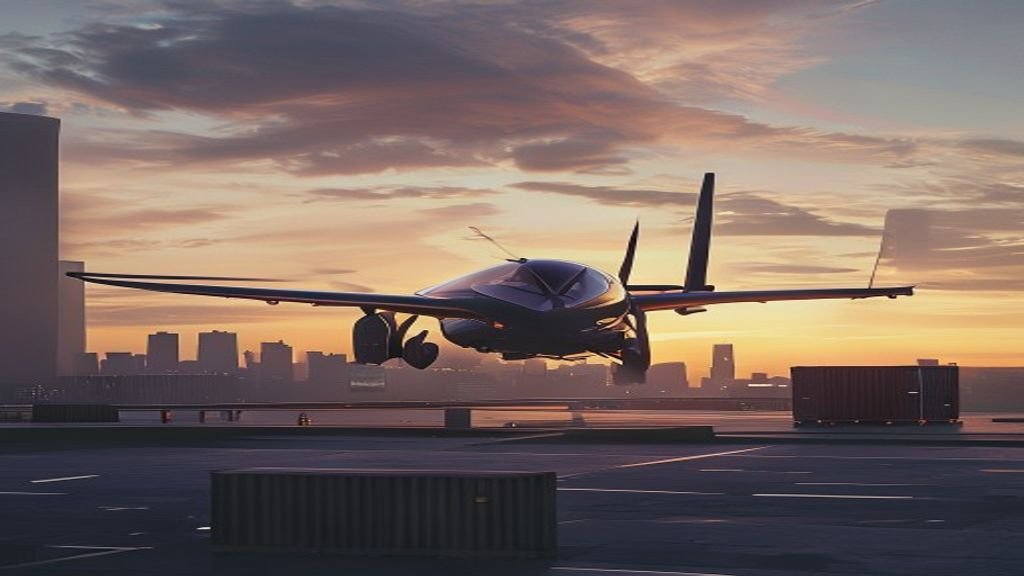
Electric air taxis are finally leaving the ground — cargo comes first
For years, electric air taxis have lived in flashy concept videos and big promises about beating traffic. Now the sector is getting closer to real-world use — but not in the way the public was first sold.
The near-term path is increasingly about cargo, not commuters. That means the aircraft are starting to find a practical role moving goods, equipment, and other loads while companies continue working toward the approvals and operating experience needed for passenger flights.
It is a notable shift in tone for an industry that spent much of the last decade talking up short urban trips for travelers headed to airports, downtown business districts, and other congested corridors. The aircraft may still eventually do that. But first, operators need to prove they can fly consistently, safely, and within the rules.
That is where cargo becomes useful. Flying packages instead of people gives companies a way to test dispatch, charging, maintenance, route planning, and ground operations without immediately taking on the full complexity of passenger service. It is still a meaningful step forward, even if it is less glamorous than the original pitch deck version of the future.
The idea is straightforward: if an electric vertical takeoff and landing aircraft can reliably handle logistics work, it can generate operational data and help validate the business in a way that static displays and demo flights cannot. For a category that has often looked long on ambition and short on delivered service, that matters.
Why it matters
Electric air taxis have long been framed as the next leap in urban transportation. But the route to that future is turning out to be more incremental. Cargo operations could become the bridge between prototype-era hype and regulated passenger service, giving companies a chance to build trust with regulators, partners, and the public.
The change also reflects the realities of aviation. Carrying passengers is not just a technical challenge. It is a certification, safety, training, infrastructure, and operations challenge all at once. Even companies making visible progress still have to clear major regulatory steps before routine passenger flights become normal.
That is why cargo-first strategies are starting to look less like a backup plan and more like a sensible market entry. Moving freight around dense regions, including airport-linked routes, may offer a clearer way to begin commercial activity while the passenger side continues to mature.
There is also a credibility benefit here. The electric air taxi industry has had no shortage of splashy announcements, partnerships, and concept art. What it has needed most is actual operational momentum. Even limited cargo deployments can show that these aircraft are becoming tools, not just talking points.
That does not mean the passenger dream is dead. It means the road to it is looking more like aviation usually does: slow, staged, regulated, and operationally demanding. Cargo can help companies build the foundation they need before inviting riders onboard.
For cities, airports, and transport planners, that may be a healthier development than a rushed launch. If the technology is going to become part of everyday mobility, it will need to earn that role through repeatable service, not one-off showcases.
So yes, electric air taxis are finally taking flight in a more tangible way. They are just doing what many futuristic technologies eventually do when reality shows up: starting with the job that is easier to deliver first.
Passengers may come later. For now, the boxes are boarding before we do.
Sources
- The Verge — Electric air taxis are finally taking flight — just not with passengers