A Wave of Used EVs Is Hitting the Market — and Prices Could Follow
The used EV market may be heading for a reset.
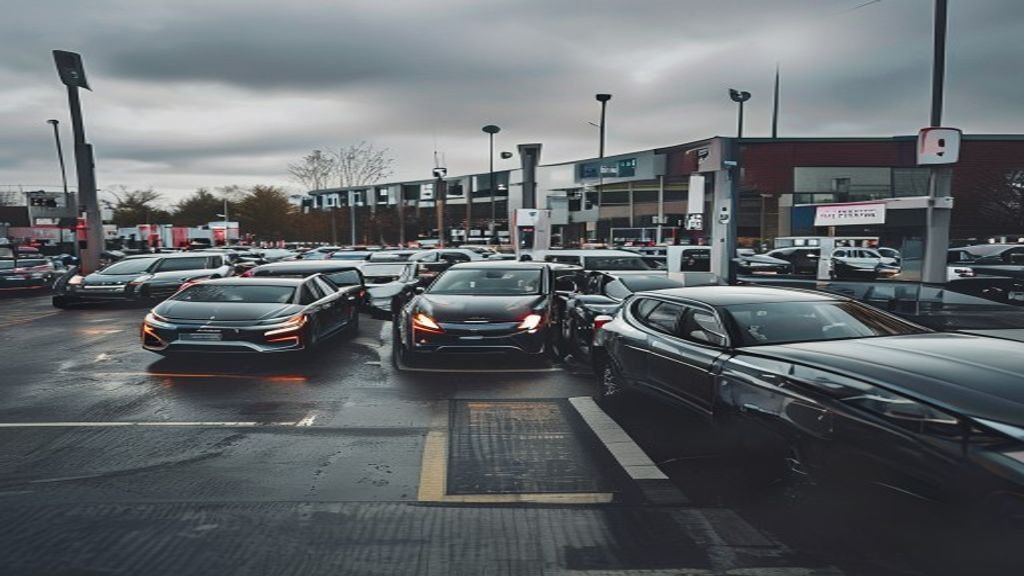
After years of electric vehicles carrying premium price tags in both the new and secondhand markets, a growing number of used models are now starting to show up for sale. That matters because supply has been one of the biggest constraints in used EV pricing. When more vehicles hit the market at once, prices tend to loosen.
That shift could make electric cars more attainable for buyers who have been watching from the sidelines. For a lot of shoppers, the used market is where EVs start to make practical sense.
The timing is not random. Many of the EVs sold or leased during the early growth years of the segment are now aging into resale territory. Lease returns are especially important here. They create a steady stream of relatively recent vehicles that are more likely to have modern range figures, updated software, and features buyers actually want.
That adds up to a simple market story: more inventory, more competition, and more pressure on prices.
There is also a broader industry angle. New EV pricing has already become a tougher conversation for automakers as competition intensifies. If secondhand electric models become easier to find at lower prices, new vehicles may face even more pressure. Buyers comparing monthly payments may decide a used EV offers better value than a brand-new one.
That does not mean every used EV will suddenly become a bargain.
The market is still uneven, and buyers remain cautious about a few familiar issues. Battery condition is a major one. Range loss, real-world charging performance, and long-term reliability still weigh heavily on purchasing decisions. A used EV with solid battery health and dependable charging compatibility is likely to stand out from one with more question marks.
Charging access also continues to shape demand. A lower sticker price helps, but it does not solve the practical side of ownership. Shoppers who can charge at home or at work are generally in a stronger position to benefit from falling used EV prices than those who still depend on patchy public infrastructure.
Policy can complicate things too. Tax credits and incentive rules affect how attractive different vehicles look against each other. In some cases, a qualifying new EV can narrow the price gap with a used one. In others, a discounted used model may still be the stronger deal. That comparison is becoming more important as the market fills out.
For buyers, though, the core takeaway is straightforward: choice is improving.
That has not always been true in the used EV space. Selection has often been limited, and pricing has not consistently reflected concerns around battery aging, depreciation, or charging convenience. A bigger supply of vehicles could start to normalize that. It gives consumers more room to compare models, shop on condition instead of scarcity, and avoid overpaying just because inventory is thin.
Key points
- A larger number of used EVs is now entering the market.
- More supply typically puts downward pressure on prices.
- Lower secondhand prices could bring EVs to buyers who were priced out of new models.
- Battery health, charging access, and tax credit rules still shape demand.
- Automakers and dealers may face more pressure to justify new EV pricing.
The next few years could say a lot about how mainstream EV adoption really becomes. New car sales get the headlines, but the used market is where affordability starts to scale.
If more electric vehicles keep arriving on dealer lots and resale platforms, the result could be one of the most meaningful EV shifts yet: not a flashy launch, but a quieter drop in price that brings more people in.
Sources
- The Verge — An influx of used EVs could drive down prices